
 English
 Español
 русский
 عربى
عربى
Home / News / Industry News / How to Balance Corrosion Resistance and Cost-Effectiveness Between Stainless Steel and Cast Iron Self-Priming Wastewater Pumps?
How to Balance Corrosion Resistance and Cost-Effectiveness Between Stainless Steel and Cast Iron Self-Priming Wastewater Pumps?
Introduction: The Core Advantages of Self-Priming Wastewater Pumps and the Material Selection Dilemma
In modern industrial, municipal, and agricultural drainage systems, the Self-Priming Wastewater Pump, with its characteristics of not requiring priming, ability to handle aerated liquids, and reliable intermittent operation, has become a critical piece of equipment. However, users face a classic dilemma during selection: should the pump body material be traditional cast iron, or should it be upgraded to stainless steel? This is not merely a simple comparison between corrosion resistance and cost, but a deep consideration of application conditions, long-term operational efficiency, and Total Cost of Ownership (TCO).
I. Material Showdown: Technical Characteristics of Cast Iron vs. Stainless Steel
To make an informed choice, one must first understand the fundamental differences between the two materials.
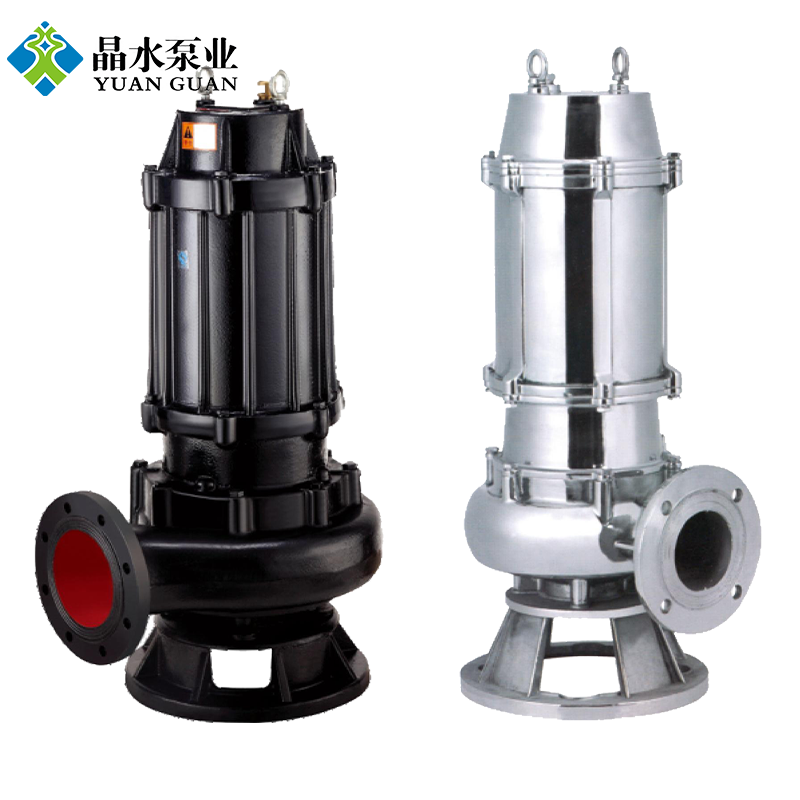
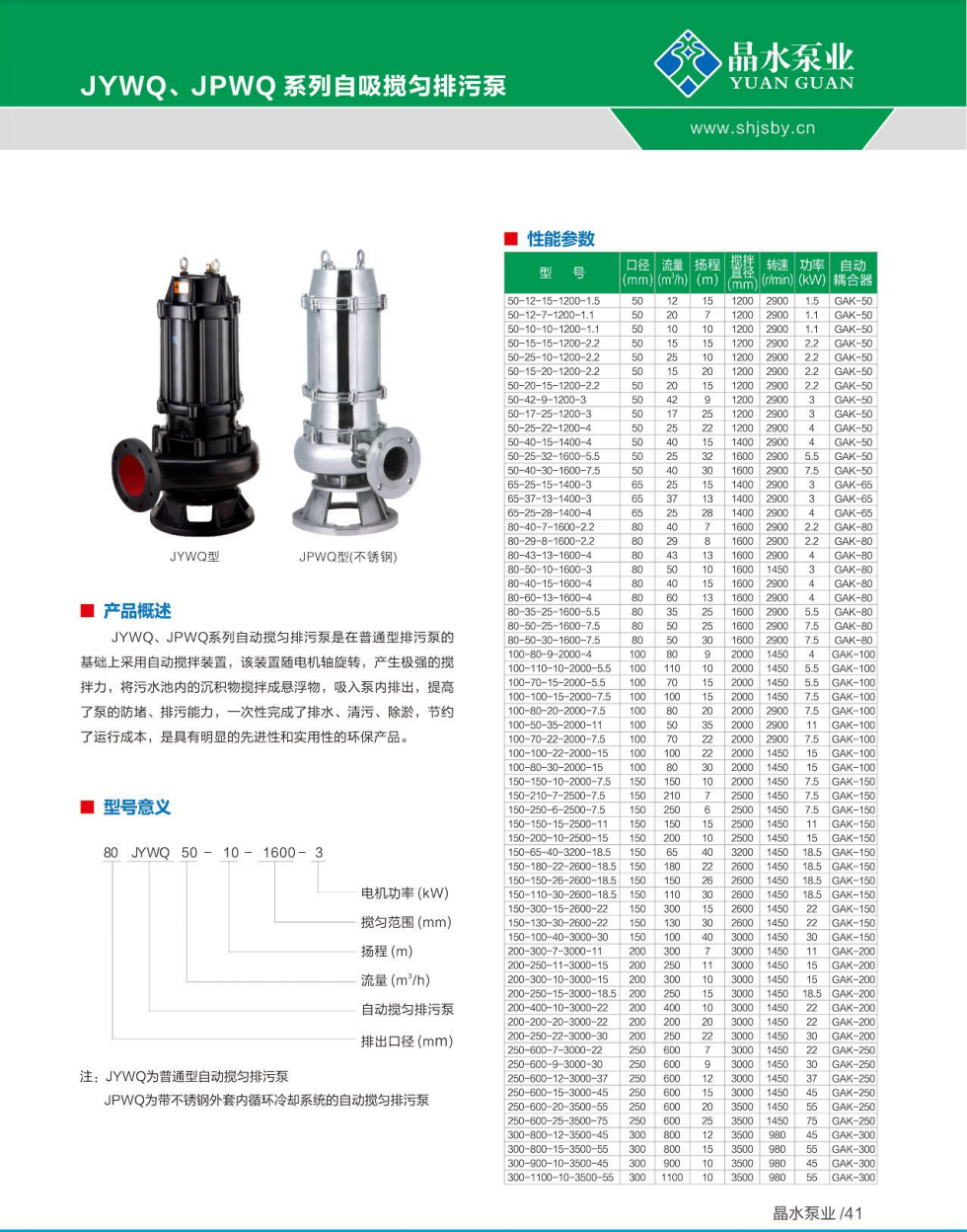
Cast Iron Pump: The Cost-Effective & Durable "Workhorse"
- Advantages: Significantly lower cost than stainless steel (typically only 30%-50% of its price). Offers excellent castability and wear resistance, making it highly suitable for handling sewage containing solid particles and abrasives (like sand and silt).
- Limitations: Relatively weak chemical corrosion resistance. In wastewater with pH outside the 6-9 range, or containing chlorides, sulfides, or organic acids, it is prone to electrochemical corrosion and rust, affecting lifespan.
Stainless Steel Pump: The "Guardian" in Corrosive Environments
- Advantages: Represented by grades like 304 or 316L stainless steel, it possesses excellent corrosion resistance. It can handle a wide range of media with pH values from 2 to 12, including seawater, chemical wastewater, food processing liquids, etc. Its smooth surface resists scaling, is easy to clean, and meets sanitary standards.
- Limitations: High initial investment. Even so, careful selection is still required in certain environments with high concentrations of chloride ions (e.g., untreated seawater), where 316L is a better choice.
II. The Core Trade-off: How to Make a Scientific Decision?
The choice should not be a guess but based on systematic analysis. We recommend following this decision-making pathway:
Step 1: Thoroughly Analyze Media Composition
This is the most crucial step. Identify the wastewater's pH value, types and concentrations of chemicals (especially chloride ions, sulfates), temperature, solid particle content, and nature.
- Simple Rule of Thumb: Ordinary domestic sewage, rainwater, neutral cooling water – cast iron is the cost-effective choice. Industrial wastewater containing detergents, acids, alkalis, salts, or high temperatures – stainless steel is the safer choice.
Step 2: Calculate the Total Cost of Ownership (TCO)
The true cost is not just the purchase price. Total Cost of Ownership = Purchase Cost + Maintenance Cost + Downtime Loss + Replacement Cost.
- Example: In a mild environment, a low-cost cast iron pump might last 5-7 years; in a corrosive environment, a stainless steel pump might operate smoothly for 10-15+ years with minimal maintenance. In the long run, the latter may be more economical.
Step 3: Evaluate Application Scenario and Priorities
- Scenarios favoring Cast Iron: Strictly limited budget, confirmed very weak media corrosivity, wear is the primary concern (e.g., drainage with heavy sand and gravel).
- Scenarios favoring Stainless Steel: Involvement of chemicals, food/pharmaceutical (sanitary requirements), coastal/high-humidity environments, unmanned sites pursuing minimal maintenance and maximum lifespan.
III. Beyond the Either/Or Choice: Hybrid Solutions and Professional Advice
For complex working conditions, flexible hybrid solutions often achieve the best balance:
- Key Component Upgrades: Consider configurations like a "cast iron pump casing + stainless steel impeller/shaft" to moderately enhance the corrosion resistance of core wetted parts at a reasonable cost.
- Professional Coating Technology: Applying specialized epoxy or polymer coatings to cast iron pumps can improve their protection level within a certain range, offering an effective compromise between cost and performance.
Final Recommendation: Provide your detailed working condition data (media analysis report, operating hours, environmental description) to professional pump manufacturers with engineering capabilities. Based on rich application experience, they can offer customized material and configuration advice, not just a standard product.
About Us
As a source pump manufacturer holding international certifications such as CE and ROHS, we deeply understand the stringent requirements for equipment reliability and cost control in different industrial scenarios. Our self-priming wastewater pump series offers both cast iron and stainless steel (304/316L) options and supports customized material combinations for key components. We are committed to helping global customers find the optimal balance between corrosion resistance and lifecycle costs through professional products and selection guidance, maximizing the value of your investment.
Related products
Copyright © JINGSHUI PUMP (SHANGHAI) CO., LTD. All Rights Reserved.
Custom Water Supply/Drainage, Water Treatment, Fire Pump Systems Manufacturers
