
 English
 Español
 русский
 عربى
عربى
Home / News / Industry News / Is Your Water Fighter Pump Compliant with International Fire Safety Standards?
Is Your Water Fighter Pump Compliant with International Fire Safety Standards?
In the realm of emergency infrastructure, the reliability of a water fighter pump is not merely an operational preference but a life-safety mandate. Ensuring that your system meets international fire safety standards for pumps is critical for legal compliance and, more importantly, for effective disaster mitigation. Jingshui Pump (Shanghai) Co., LTD, a national high-tech enterprise founded in 2011, specializes in intelligent manufacturing and comprehensive solutions for fire protection and pump systems. Operating from a 36,000-square-meter facility with ISO9001 and ISO14001 certifications, we prioritize engineering excellence in every water fighter pump we manufacture. This guide examines the benchmarks for NFPA 20 compliant water fighter pumps and the technical requirements for maintaining a certified fire fighting pump system in industrial and municipal settings.
1. Understanding Global Standards: NFPA 20 and EN 12845
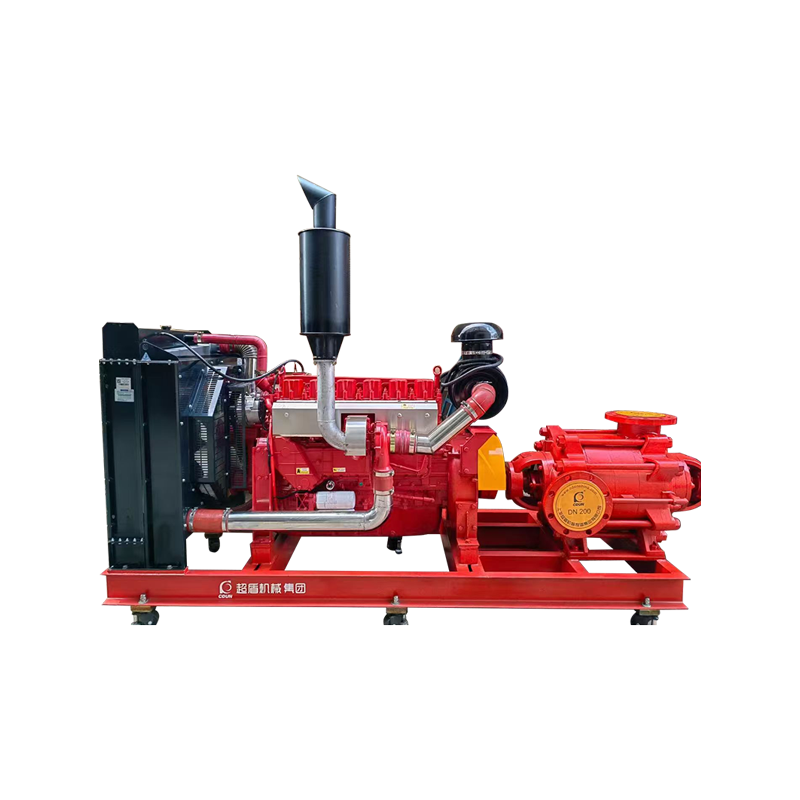
The primary global benchmark for fire pumps is NFPA 20 (Standard for the Installation of Stationary Pumps for Fire Protection). An NFPA 20 compliant water fighter pump must demonstrate a specific performance curve: it must provide 150% of the rated flow at no less than 65% of the rated head. When comparing NFPA 20 vs EN 12845 fire pump standards, the North American NFPA focus is on high-volume endurance, while the European EN standards often emphasize specific component pressure ratings and automation. Selecting the best water fighter pump for high-rise buildings requires a system that can maintain these pressures across vertical distances without cavitation. Jingshui Pump's robust quality assurance system ensures that our high pressure water fighter pump for fire fighting units meet these stringent international criteria.
Critical Performance Benchmarks
- Flow Rate Stability: The pump must maintain a stable discharge even when the suction head varies.
- Redundancy: Standards often require a diesel engine driven water fighter pump as a backup to electric units to ensure operation during power outages.
- Automatic Operation: Systems must trigger instantly upon a drop in pressure within the fire main.
| Standard Feature | NFPA 20 Requirements | General Industrial Standard |
| Performance Curve | Flat curve (150% flow @ 65% head) | Variable (Efficiency focused) |
| Shut-off Pressure | Maximum 140% of rated pressure | Not strictly regulated |
| Casing Material | Ductile iron or Cast Steel | Standard Cast Iron |
2. Technical Requirements for Reliability and Maintenance
Compliance is not a one-time event but a continuous state achieved through fire pump maintenance and testing protocols. How to maintain a water fighter pump for longevity involves weekly "no-flow" tests and annual flow tests to verify the performance curve. A common failure point in portable water fighter pump for emergency use is the fuel system or battery health in diesel models. Engineers must also evaluate water fighter pump flow rate requirements based on the hazard classification of the building (Light, Ordinary, or High Hazard). Utilizing water fighter pump maintenance and testing protocols ensures that the mechanical seals, impellers, and drivers are ready for peak demand. Jingshui's 36,000-square-meter production facility utilizes precision testing beds to simulate these emergency conditions before delivery.
Operational Reliability Sequence
- Suction Verification: Ensuring the water fighter pump suction lift does not exceed 15 feet to prevent cavitation.
- Pressure Sensing: Calibrating the controller to start the pump at a specific "cut-in" pressure.
- Cooling System: Verifying that the diesel engine heat exchanger has adequate water flow during operation.
| Maintenance Type | Electric Motor Units | Diesel Engine Driven Water Fighter Pump |
| Start Frequency | Weekly (Automatic) | Weekly (Manual or Automatic) |
| Fuel Management | N/A | Monthly filter checks & fuel stabilization |
| Energy Dependency | Requires dedicated Fire-Feed power | Independent of electrical grid |
3. Choosing the Right System for Specific Hazards
Not all pumps are created equal. Choosing a water fighter pump for industrial use requires a different set of specifications than residential systems, often involving higher corrosion resistance for chemical or coastal environments. When evaluating water fighter pump efficiency vs reliability, reliability must always take precedence in fire protection. Water fighter pump price vs quality is a critical consideration; a lower-priced non-certified pump may fail to provide the necessary pressure at 150% flow, leading to system failure during an actual fire. Jingshui Pump (Shanghai) Co., LTD provides a certified fire fighting pump system that balances cost-effectiveness with the uncompromising quality required by Shanghai High-Tech Enterprise standards.
System Selection Factors
- Net Positive Suction Head (NPSH): Essential for preventing vapor bubbles that damage impellers.
- Control Systems: Intelligent manufacturing platforms allow for remote monitoring of pump health and readiness.
Conclusion: Ensuring Readiness Through Compliance
A water fighter pump is the heart of a building's fire defense. By adhering to international fire safety standards for pumps and ensuring your equipment is an NFPA 20 compliant water fighter pump, you mitigate risk and protect assets. Jingshui Pump (Shanghai) Co., LTD remains dedicated to providing first-class equipment and high-quality after-sales service, backed by over thirteen years of industry evolution. Whether you require a high pressure water fighter pump for fire fighting or a comprehensive municipal solution, our ISO-certified processes ensure your infrastructure is ready for the ultimate test.
Frequently Asked Questions (FAQ)
1. What makes a water fighter pump different from a standard water pump?
A fire pump is designed for extreme reliability and a specific performance curve (150% flow capability) that standard pumps do not have. It must also have specialized certifications like NFPA or UL/FM.
2. Is a diesel engine driven water fighter pump mandatory?
In many jurisdictions, if the primary pump is electric, a diesel backup is required to ensure the fire system functions if the building's power is cut during an emergency.
3. How often should fire pump maintenance and testing protocols be performed?
Weekly churn tests (running without water flow) are recommended, and a full annual flow test is required to ensure the pump still meets its rated performance curve.
4. What is the importance of water fighter pump suction lift?
If the suction lift is too high, the pump may struggle to prime or suffer from cavitation, which can destroy the internal components in seconds during a fire.
5. Can Jingshui Pump provide custom certified fire fighting pump systems?
Yes. As a national high-tech enterprise, we offer comprehensive solutions tailored to water supply, fire protection, and intelligent manufacturing platforms for specific project needs.
Industry References
- NFPA 20: Standard for the Installation of Stationary Pumps for Fire Protection.
- EN 12845: Fixed firefighting systems - Automatic sprinkler systems - Design, installation and maintenance.
- ISO 9001:2008 Quality Management System Standards.
- Jingshui Technical Whitepaper: "Cavitation Prevention in High-Rise Fire Systems" (2025).
Related products
Copyright © JINGSHUI PUMP (SHANGHAI) CO., LTD. All Rights Reserved.
Custom Water Supply/Drainage, Water Treatment, Fire Pump Systems Manufacturers
