
 English
 Español
 русский
 عربى
عربى
Home / News / Industry News / How to choose a Multistage Centrifugal Water Pump for industrial applications?
How to choose a Multistage Centrifugal Water Pump for industrial applications?
In industrial sectors such as water treatment, manufacturing, energy production, and agricultural irrigation, reliable pumping systems are the cornerstone for ensuring operational continuity and efficiency. Multistage centrifugal pumps, known for their high head, stable flow rates, and energy-saving characteristics, are the preferred choice for applications like high-pressure water supply, boiler feedwater, and long-distance water transfer. However, selecting the right pump is not an easy task—an incorrect choice can lead to soaring energy consumption, frequent failures, and even system downtime. We will delve into how to choose the most suitable multistage centrifugal pump for industrial applications based on professional parameters, application scenarios, and long-term value.
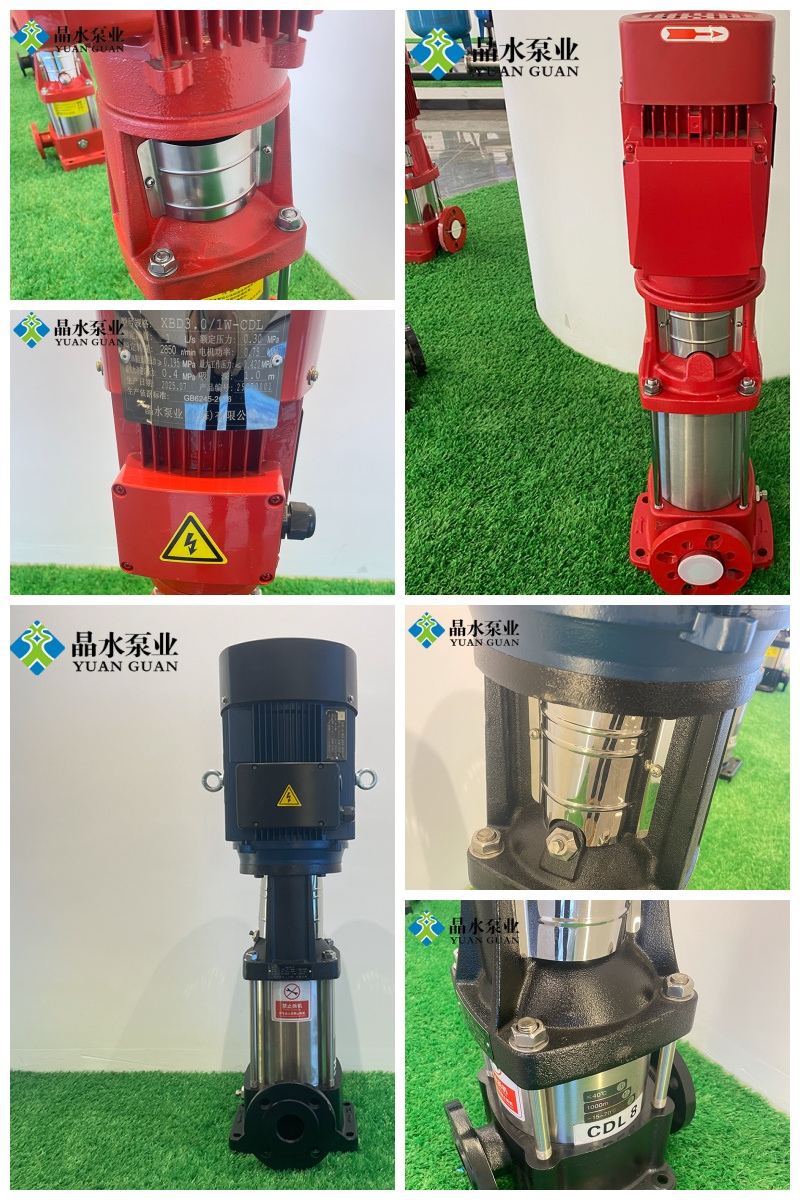
I. Understanding Multistage Centrifugal Pumps: Principles and Advantages
Multistage centrifugal pumps increase water pressure stepwise by connecting multiple impellers (stages) in series, with each impeller adding a portion to the head. This enables high-pressure output within a compact structure. Compared to single-stage pumps, multistage pumps provide significantly higher heads (often reaching hundreds of meters) at the same power while maintaining high hydraulic efficiency. Their modular design also allows for flexible configuration of stages to meet varying pressure requirements. In industrial scenarios, these pumps are particularly suitable for:
- High-pressure cleaning and spray systems
- Water supply or firefighting systems in high-rise buildings
- Boosting in reverse osmosis (RO) water treatment
- Boiler feedwater and cooling circulation systems
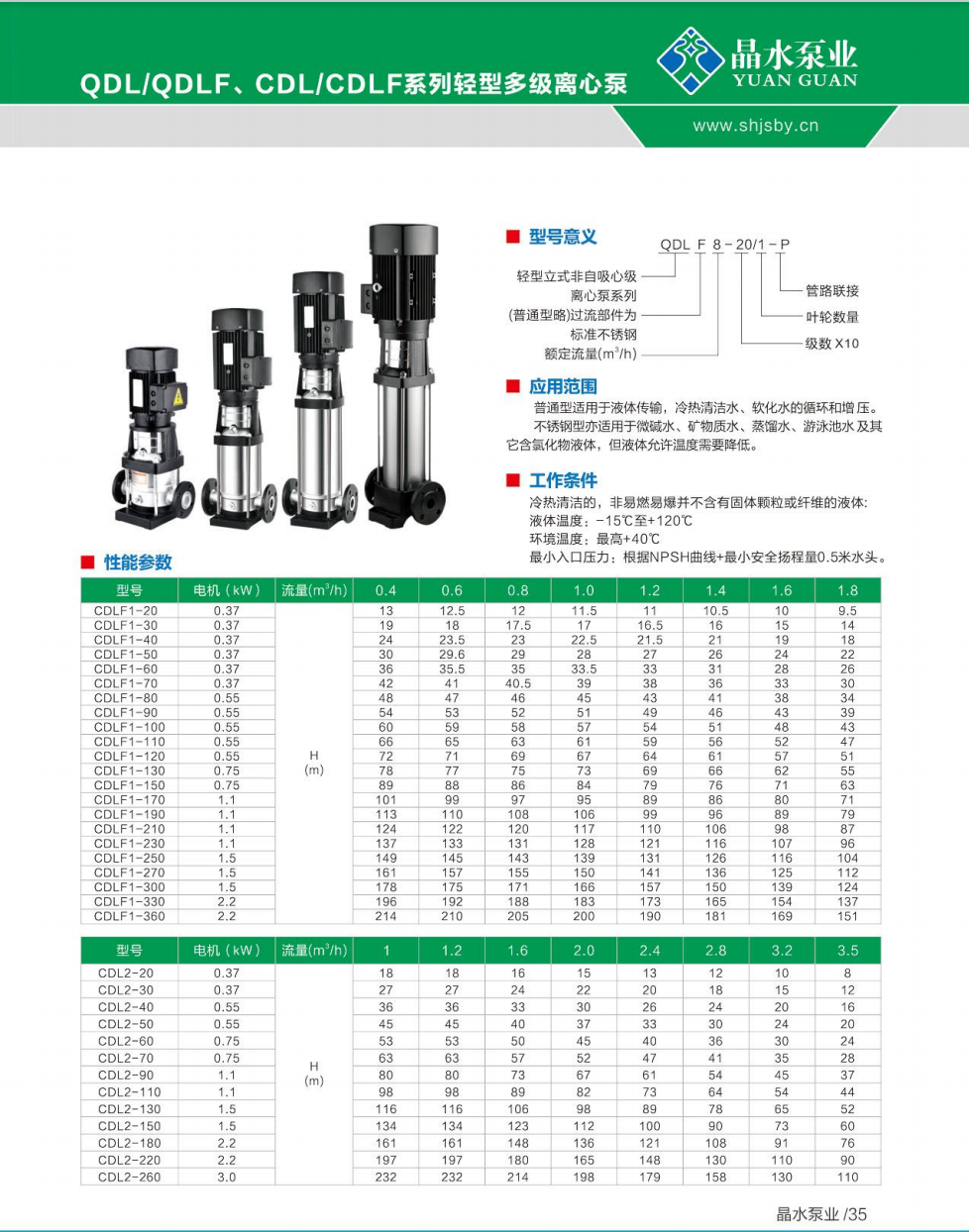
II. Key Selection Factors: From Parameters to Materials
1. Performance Parameter Matching
Flow Rate and Head: Determine the maximum flow rate (m³/h or GPM) and the required total head (meters or feet) based on system requirements, including static head, pipeline friction losses, and equipment pressure demands. The pump's performance curve should cover these points within its high-efficiency range.
Pressure Requirements: The outlet pressure of a multistage pump is directly related to the number of stages. Calculate the system's working pressure (e.g., boiler pressure) and include a 10–15% safety margin.
Efficiency Class: Prioritize high-efficiency motors compliant with IE3 or IE4 standards to reduce long-term energy consumption. The pump's own efficiency should reference the ISO 9906 standard, with high-efficiency models saving 15–30% in energy.
2. Medium and Material Compatibility
Pump materials must resist corrosion, wear, and temperature effects from the medium. For pure water, cast iron or stainless steel (304/316L) casings with bronze impellers are sufficient. For seawater or chemical fluids, duplex stainless steel or special alloys are required.
The sealing system is equally critical: mechanical seals (e.g., SiC vs. SiC) are suitable for high-temperature and high-pressure conditions, while packing seals may be used for fluids containing particles but require regular maintenance.
3. Structural Design and Reliability
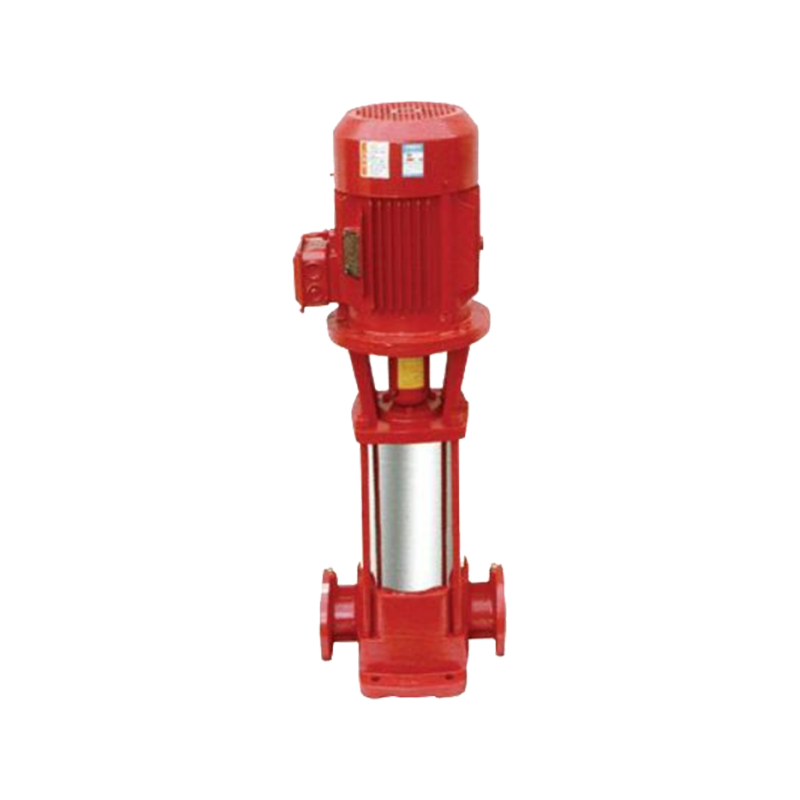
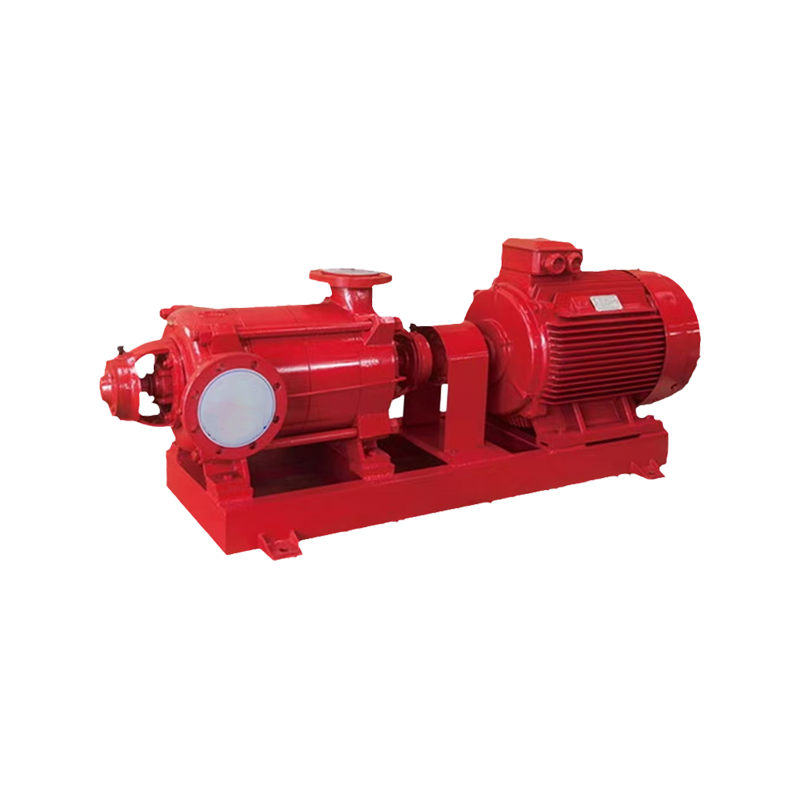
Horizontal or Vertical Installation: Horizontal multistage pumps are easy to maintain and suitable for fixed plants. Vertical multistage pumps (vertical inline) save space and are ideal for wells or limited areas.
Bearings and Shaft Seals: Heavy-duty bearings and dual mechanical seals extend pump life, especially in continuous operation scenarios.
Cavitation Resistance: Ensure the pump's required Net Positive Suction Head (NPSHr) is lower than the system's available NPSH (NPSHa) to prevent cavitation damage.
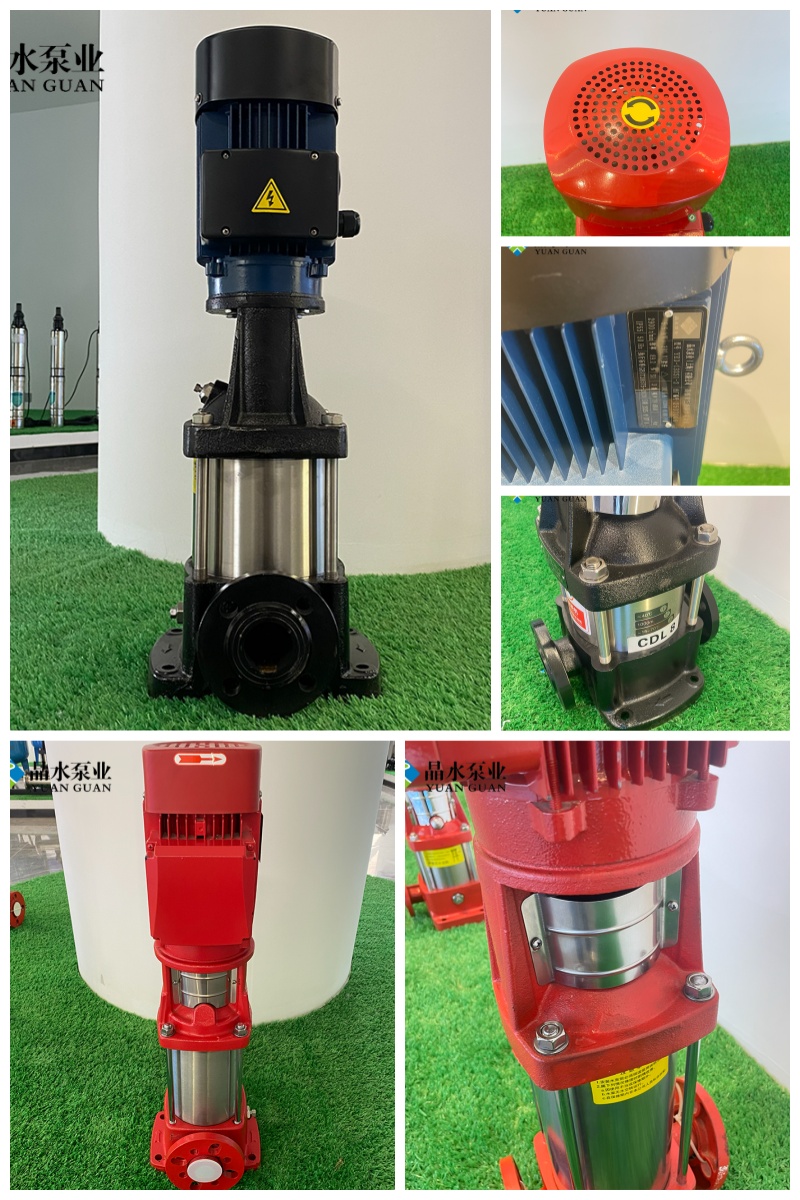
III. Targeted Selection for Industrial Application Scenarios
Water Treatment Plants: Choose pumps made of corrosion-resistant materials (e.g., stainless steel) and prioritize flow stability to adapt to filtration and backwash cycles.
Cooling Systems in Manufacturing Plants: Pumps should be compatible with Variable Frequency Drives (VFDs) to adjust flow rates based on thermal load, saving energy.
Mine Drainage: Prioritize wear-resistant designs (e.g., high-chromium iron impellers) and explosion-proof motors (ATEX certified) to handle solids-containing fluids and hazardous environments.
Agricultural Irrigation: In remote or grid-unstable areas, consider diesel-driven or multi-pump parallel systems to ensure reliable water supply.
IV. Beyond Purchase Price: Total Cost of Ownership (TCO) Considerations
A wise choice looks beyond the initial cost to evaluate the TCO:
Energy Costs: While high-efficiency pumps may have a higher price, long-term electricity savings are significant (typically recouping costs in 1–2 years).
Maintenance and Spare Parts: Modularly designed pumps allow quick replacement of impellers or seals, reducing downtime. Inquire about the supplier's global spare parts supply and service network.
Smart Features: Modern multistage pumps can integrate sensors and Internet of Things (IoT) interfaces for predictive maintenance, avoiding unexpected failures.
V. Practical Steps: From Planning to Installation
- System Analysis: Collaborate with engineers to create a schematic diagram of the water system, noting all pressure, flow, and temperature points.
- Supplier Consultation: Provide detailed operational data to professional manufacturers for customized selection advice. Request third-party test reports (e.g., CE, UL certifications).
- Factory Acceptance Test (FAT): If possible, conduct an FAT before installation to verify the pump's performance curve.
- Installation and Training: Ensure installation by certified technicians and train operational personnel on startup, monitoring, and daily inspections.
Conclusion: Investing in Reliability and Efficiency
Selecting an industrial multistage centrifugal pump is a technical decision that directly impacts production safety and operational costs. By comprehensively evaluating performance requirements, medium characteristics, material science, and lifecycle costs, companies can avoid common pitfalls and achieve water and energy-saving goals. In today's rapidly evolving technological landscape, partnering with an experienced pump manufacturer—we not only provide products but also serve as strategic partners in optimizing the entire water system. Ultimately, a carefully selected pump is not just a piece of equipment but a silent guardian ensuring the smooth operation of industrial processes.
Quick Tips for Multistage Centrifugal Pumps
- Regular Maintenance: Check vibration and seal leakage every 6 months; calibrate performance annually.
- Upgrade Opportunities: Old pumps can be retrofitted for energy savings by replacing impellers or motors with high-efficiency versions.
- Sustainability: High-efficiency pumps reduce carbon footprints, aligning with global environmental standards like ISO 50001.
About Us
As a leading source manufacturer of water pumps in China, we specialize in providing efficient and reliable industrial pump solutions. Our production systems and core products (such as the CDL series vertical multistage centrifugal pumps) have obtained international certifications like CE and ROHS, ensuring compliance with global safety and environmental standards. We are committed to combining exceptional engineering design, stringent quality control, and competitive manufacturing costs to create long-term value for industrial clients worldwide.
Related products
Copyright © JINGSHUI PUMP (SHANGHAI) CO., LTD. All Rights Reserved.
Custom Water Supply/Drainage, Water Treatment, Fire Pump Systems Manufacturers
