
 English
 Español
 русский
 عربى
عربى
Home / News / Industry News / What are the Critical Maintenance Steps for a Diesel-Powered Water Fighter Pump in Remote Areas?
What are the Critical Maintenance Steps for a Diesel-Powered Water Fighter Pump in Remote Areas?
In remote industrial sites, forestry operations, and off-grid facilities, a water fighter pump is the primary line of defense against fire hazards. Unlike urban systems connected to a municipal grid, diesel-powered units must operate with total self-sufficiency. Jingshui Pump (Shanghai) Co., LTD, established in 2011, has evolved into a national high-tech enterprise specializing in comprehensive fire protection and pump system solutions. Operating a 36,000-square-meter facility and holding ISO9001, ISO14001, and GB/T28001 certifications, we prioritize engineering excellence. For engineers managing a high pressure water pump for fire fighting in isolated environments, maintenance is not merely a routine—it is a survival imperative that requires a deep understanding of diesel mechanics and hydraulic integrity.
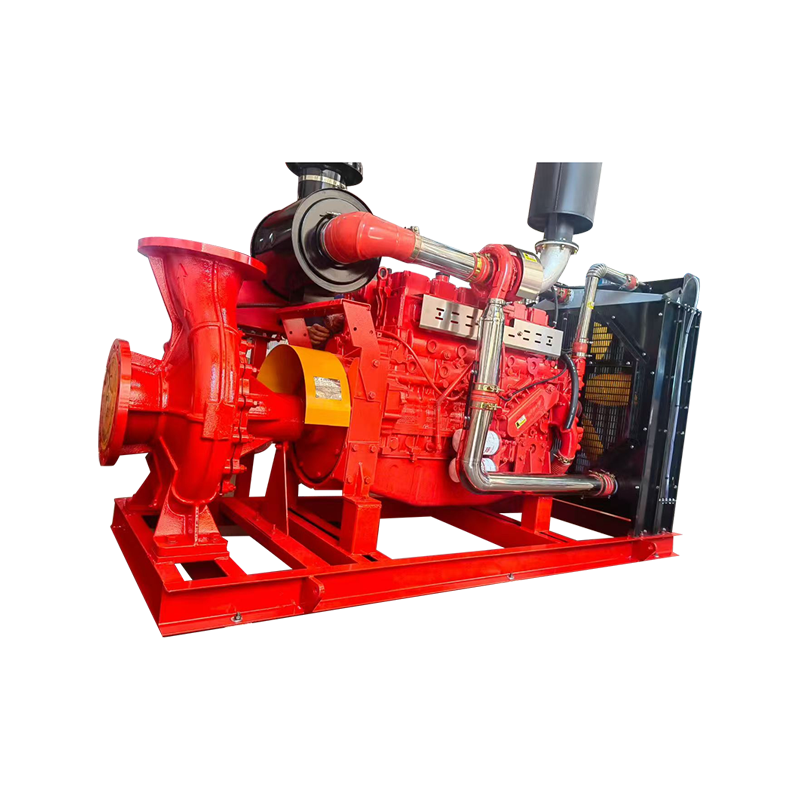
1. Fuel System Integrity and Stability Management
In remote areas, diesel fuel is prone to degradation and microbial growth due to temperature fluctuations and long-term storage. A reliable diesel engine fire pump requires high-quality fuel to ensure rapid starting in emergencies. While standard automotive diesel is common, remote fire pumps benefit significantly from stabilized fuel or high-cetane additives to prevent injector clogging and ensure combustion efficiency during cold starts. According to 2024-2025 technical bulletins from international petroleum standards organizations, the introduction of higher bio-content in global diesel supplies necessitates more frequent fuel polishing and water separation for standby emergency equipment.
Compared to electric fire pumps, diesel systems require a much higher level of chemical oversight regarding their energy source, specifically focusing on filtration and moisture prevention.
[Image of diesel engine fuel system diagram]
| Feature | Standard Diesel Setup | Remote Optimized Setup |
| Filtration Layers | Single primary filter | Dual stage (Water separator + 2-micron filter) |
| Fuel Treatment | None | Biocide and Cetane boosters added |
| Inspection Interval | Quarterly | Monthly (due to condensation risks) |
2. Pump End Hydraulics and Mechanical Seal Protection
The pump end of a water fighter pump is subject to extreme pressures and often draws from non-potable water sources like ponds or rivers. Ensuring the high pressure water pump for fire fighting remains functional involves checking the mechanical seals and packing glands. In remote environments, the presence of silt and debris can rapidly abrade internal components. Market statistics from 2024 indicate a growing industry shift toward silicon carbide seals for pumps operating in "dirty water" conditions to extend MTBF (Mean Time Between Failure).
While packing glands are easier to repair in the field, mechanical seals offer significantly better leak protection and lower maintenance requirements during the pump's active service life.
| Sealing Type | Gland Packing | Mechanical Seal |
| Maintenance Level | High (Requires regular adjustment) | Low (Self-adjusting until failure) |
| Water Loss | Intentional "dripping" for cooling | Zero leakage |
| Field Repair | Simple (Replace rope) | Complex (Requires component replacement) |
3. Engine Cooling and Lubrication in Extreme Climates
Remote areas often experience more extreme temperature swings than urban centers. A portable diesel fire pump maintenance schedule must account for oil viscosity and coolant concentration. In 2025, technical breakthroughs in synthetic lubricants have led to the development of "long-life" oils that maintain their shear strength even after 24 months of standby, which is critical for remote assets that are tested weekly but rarely run at full load. Furthermore, checking the radiator for obstruction by local flora or fauna is a vital step often overlooked in automated maintenance checklists.
4. Battery Readiness and Intelligent Monitoring
A diesel water fighter pump is useless if it cannot start. Battery failure is the most common cause of fire pump failure in remote locations. Utilizing skid mounted fire pump unit troubleshooting techniques involves verifying the charge of the lead-acid or AGM batteries and ensuring the trickle charger is functional. Jingshui Pump integrates intelligent manufacturing and operation platform development services, allowing for remote monitoring of battery health and engine parameters. This digital oversight ensures that industrial grade water fighter pumps are ready to engage the moment they are needed.
- Load Testing: Perform a monthly crank test to verify battery voltage drop.
- Terminal Care: Apply dielectric grease to prevent corrosion in humid or coastal remote areas.
- Redundancy: Maintain a secondary, manually-charged battery bank where possible.
Conclusion: Professional Reliability for Critical Assets
Maintaining a water fighter pump in a remote area requires a disciplined, engineering-first approach. By focusing on fuel stability, seal integrity, and thermal management, operators can ensure that their fire protection systems perform flawlessly during a crisis. Jingshui Pump (Shanghai) Co., LTD remains dedicated to providing top-notch quality and competitive pricing for industrial grade water fighter pumps, supporting reputable retailers and industrial clients worldwide with robust quality assurance and innovative pump technology.
Frequently Asked Questions (FAQ)
- How often should I test a diesel water fighter pump in a remote area?
A weekly "no-load" run for 10 minutes and a monthly "full-load" test are recommended to ensure all systems, from the reliable diesel engine fire pump to the high pressure water pump for fire fighting, are operational. - What is the best way to store fuel for remote fire pumps?
Use dual-walled tanks to prevent temperature-induced condensation and treat the fuel with a high-quality stabilizer to prevent oxidation. - Can I use river water for my water fighter pump?
Yes, but you must use a high-quality suction strainer and perform thorough skid mounted fire pump unit troubleshooting and cleaning after each use to remove sediment from the pump casing. - Why is my diesel engine smoking excessively during startup?
In remote areas, this is often due to "wet stacking" caused by running the engine without a sufficient load. Regular full-load testing helps burn off unburnt fuel in the exhaust system. - Does M&SCENT offer remote monitoring services?
Yes, through our intelligent manufacturing and operation platform, we provide solutions that allow B2B clients to track the health of their industrial grade water fighter pumps from any location.
Related products
Copyright © JINGSHUI PUMP (SHANGHAI) CO., LTD. All Rights Reserved.
Custom Water Supply/Drainage, Water Treatment, Fire Pump Systems Manufacturers
