
 English
 Español
 русский
 عربى
عربى
The Ultimate Guide to Choosing the Right Water Pump For Fire Fighting
In fire protection, a reliable water pump for fire fighting is the heart of any system, ensuring water is delivered with sufficient pressure and volume to suppress flames and save lives. Selecting the correct pump type is a critical engineering decision that impacts the safety of buildings, industrial sites, and communities. This comprehensive guide delves into the technical specifications, applications, and selection criteria for fire fighting pumps, providing essential information for engineers, safety officers, and procurement specialists.
Understanding Different Types of Fire Fighting Pumps
Fire pumps are categorized based on their power source, design, and specific application. Each type offers distinct advantages suited to different environments and requirements.
1. Centrifugal Fire Pumps
As the most common type, centrifugal pumps use an impeller to create flow. They are favored for their simplicity, high flow rates, and ability to handle large volumes of water.
- Key Features: Simple design, low maintenance, smooth flow.
- Best For: Municipal water supplies, large storage tanks, and as primary pumps in many systems.
2. Positive Displacement Pumps
These pumps move a fixed amount of fluid per cycle, providing consistent flow regardless of pressure changes. They are essential for specific firefighting agents.
- Key Features: Constant flow, high pressure capability.
- Best For: High-pressure water mist systems, foam proportioning, and hydraulic systems.
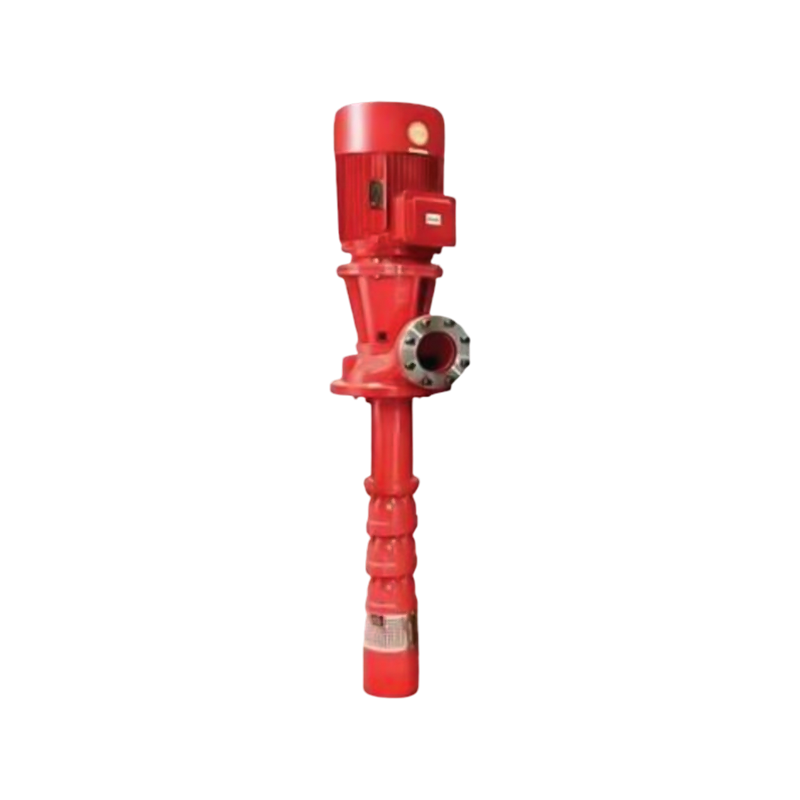
3. Vertical Turbine Pumps
Designed to lift water from deep sources like wells or underground reservoirs, these are submerged pumps with multiple stages for high lift.
- Key Features: Excellent for deep water sources, multi-stage design for high head.
- Best For: Locations where the water source is significantly below ground level.
Key Specifications and Performance Metrics
Understanding the technical parameters is crucial for matching a pump to your specific needs. The core specifications include flow rate (GPM or L/min), pressure (PSI or bar), power source (electric, diesel, or dual-drive), and suction capabilities.
Comparing Performance: High-Flow vs. High-Pressure Scenarios
Choosing between a pump optimized for high flow and one for high pressure depends entirely on the fire protection strategy and water source[1].
For instance, a pump designed for a warehouse sprinkler system requires a high, sustained flow rate to supply multiple sprinkler heads. Conversely, a pump for a high-rise building needs to generate immense pressure to overcome elevation losses and deliver water to the top floors. This distinction is a fundamental principle in fire protection engineering[1]. The table below illustrates typical application-based requirements.
| Application Scenario | Primary Need | Typical Pump Type Emphasis |
| Industrial Warehouse Sprinklers | High Volume (GPM) | Centrifugal, Horizontal Split-Case |
| High-Rise Building Standpipe | High Pressure (PSI) | Multi-Stage Centrifugal, Booster |
| Fire Truck Operations | Portability & Reliability | Diesel-Driven Centrifugal |
| Rural/Wildland Firefighting | Portable Water Source Access | portable high pressure fire pump |
Selecting the Right Pump: A Step-by-Step Guide
The selection process involves a systematic evaluation of your site's unique characteristics against pump performance data.
Step 1: Assess Your Water Source and Demand
- Determine if your source is a municipal line, static tank, pond, or well.
- Calculate the required flow and pressure using recognized standards like NFPA 20.
- Consider the need for a fire fighting pump for industrial use, which often demands higher performance and durability.
Step 2: Choose the Power Source
The decision between electric, diesel, or dual-drive pumps hinges on reliability and local infrastructure.
- Electric Pumps: Common where power is highly reliable and for indoor installations.
- Diesel Pumps: Essential for primary or backup power where electrical failure is a risk. A diesel engine fire pump controller is a critical component for automatic start, monitoring, and safety shutdowns.
- Dual-Drive Pumps: Offer maximum reliability with both electric and diesel drivers on a single pump shaft.
Step 3: Consider Installation and Maintenance
- Plan for adequate space, proper foundation, and ventilation (especially for diesel engines).
- Establish a rigorous maintenance schedule. For systems relying on suction from a pond or pool, ensuring the reliability of the fire pump suction hose and fittings is paramount to prevent air leaks and cavitation.
- Factor in accessibility for testing and repairs.
Critical Components and Accessories for Optimal Performance
A pump is part of a larger system. Key accessories ensure functionality and safety.
Controllers and Alarm Panels
The controller is the brain of the pump, automatically starting it when system pressure drops and providing vital status alerts.
Suction and Discharge Infrastructure
This includes pipes, valves, and fittings. The suction side is particularly sensitive; improper piping can cause cavitation, damaging the pump. Selecting durable fire pump suction hose and fittings for temporary or flexible applications is non-negotiable for performance.
Jockey Pumps
Small auxiliary pumps that maintain pressure in the system to prevent the main fire pump from cycling on for minor leaks, thereby conserving fuel and reducing wear.
Industry Standards, Certifications, and Compliance
Compliance with international and local standards is not optional; it's a legal and safety imperative.
Major Governing Standards
- NFPA 20 (National Fire Protection Association): The global benchmark for the installation of stationary pumps for fire protection.
- UL/FM Approvals: In North America, pumps and controllers must be listed by Underwriters Laboratories (UL) or FM Global.
- Local Building Codes: Always supersede or complement international standards.
The Importance of Quality Management Systems
Choosing a manufacturer with robust quality certifications is a key risk mitigation strategy. For example, Jingshui Pump (Shanghai) Co., LTD operates with certifications including ISO9001 for Quality Management and ISO14001 for Environmental Management. This ensures that every water pump for fire fighting is produced under stringent, audited processes, from the casting of components to final testing. Their status as a national high-tech enterprise further underscores a commitment to innovation and reliability in pump system solutions.
Advanced Applications and Specialized Solutions
Beyond standard building protection, fire pumps serve in demanding, specialized roles.
Industrial and Petrochemical Facilities
These high-hazard sites require pumps capable of handling enormous volumes, sometimes with additives like foam. Pumps here must be exceptionally robust and often explosion-proof. Selecting a fire fighting pump for industrial use involves evaluating materials of construction, seal types, and compatibility with firefighting agents beyond water.
Wildland and Municipal Firefighting
Municipal fire departments and wildfire crews rely on portable and portable truck-mounted pumps. The portable high pressure fire pump is a workhorse in these scenarios, allowing firefighters to draw water from lakes, pools, or portable tanks and deliver it with force over long hose lays or elevation gains.
Marine and Offshore Applications
Fire pumps on ships and oil platforms are critical for safety and must be designed to handle the corrosive marine environment and meet stringent maritime regulations like those from SOLAS.
Maintenance, Testing, and Troubleshooting
A non-functional fire pump is a catastrophic failure waiting to happen. A proactive maintenance regime is essential.
Routine Maintenance Checklist
- Weekly: Visual inspection for leaks, check controller power and alarms.
- Monthly: Run pump under no-flow (churn) conditions to verify automatic start and monitor parameters.
- Annually: Conduct a full-flow performance test, comparing results to the original pump curve.
Common Issues and Solutions
- Failure to Start: Check power supply, battery (for diesel), and controller settings. A faulty diesel engine fire pump controller is a common culprit.
- Loss of Pressure/Flow: Inspect for suction line obstructions, worn impellers, or air leaks in the suction hose.
- Excessive Vibration or Noise: Often indicates cavitation (check suction conditions), misalignment, or bearing wear.
Innovations and Future Trends
The fire pump industry is evolving with technology. Future trends include greater integration with building IoT systems for predictive maintenance, the use of more efficient and compact designs, and advanced materials for longer service life. The development of more sophisticated and reliable fire pump controllers for electric models that offer detailed diagnostics and remote monitoring capabilities is also a significant area of advancement.
Conclusion
Selecting and maintaining an effective water pump for fire fighting is a complex but vital task that demands careful consideration of technical specifications, application needs, and compliance standards. From ensuring a portable high pressure fire pump is ready for emergency response to specifying a robust fire fighting pump for industrial use, each decision impacts overall safety. Partnering with a manufacturer that demonstrates a commitment to quality, innovation, and comprehensive system understanding—like Jingshui Pump with its integrated solutions and certified management systems—provides a strong foundation for reliable fire protection for years to come.
Frequently Asked Questions (FAQs)
1. What is the main difference between a fire pump and a standard water pump?
Fire pumps are specifically engineered and certified to deliver a guaranteed, reliable performance (flow and pressure) under emergency conditions for a specified duration. They are built to much more rigorous standards (like NFPA 20) than general-purpose pumps and must undergo stringent listing and approval processes (e.g., UL, FM).
2. How often should a fire pump be tested?
According to NFPA 25, fire pumps should be tested no-flow (churn) weekly and under full annual flow conditions. The annual test is critical to ensure the pump still meets its original performance curve.
3. Why would I choose a diesel fire pump over an electric one?
Diesel fire pumps are chosen for primary or backup applications where electrical power may be unreliable, cut off during a fire, or simply unavailable (e.g., remote sites). They provide complete operational independence from the local power grid.
4. What is the purpose of a jockey pump in a fire protection system?
The jockey pump is a small, high-pressure pump that maintains pressure in the fire sprinkler piping system. It handles minor pressure drops from small leaks or temperature changes, preventing the main fire pump from starting unnecessarily, which reduces wear and conserves fuel.
5. Can I use a fire pump for other applications, like irrigation or drainage?
It is strongly discouraged. Fire pumps are precision-engineered for a specific life-safety purpose. Using them for other applications can cause undue wear, affect their calibrated performance, and potentially void their listing and warranties. They should be dedicated solely to fire protection.
References
[1] National Fire Protection Association. (2022).NFPA 20: Standard for the Installation of Stationary Pumps for Fire Protection. Quincy, MA: NFPA. This standard provides the fundamental principles for pump selection, performance requirements, and the distinction between system design needs.
Related products
Copyright © JINGSHUI PUMP (SHANGHAI) CO., LTD. All Rights Reserved.
Custom Water Supply/Drainage, Water Treatment, Fire Pump Systems Manufacturers
