
 English
 Español
 русский
 عربى
عربى
Home / News / Industry News / Industrial Electric Pumps vs. Diesel Pumps: Which is More Cost-Effective for Your Project?
Industrial Electric Pumps vs. Diesel Pumps: Which is More Cost-Effective for Your Project?
The choice of driving force determines long-term costs
In industrial water supply, mine drainage, construction engineering, and agricultural irrigation, water pumps are core power equipment. However, many project decision-makers often face a dilemma when choosing between electric pumps and diesel pumps: electric pumps have lower initial investment and quieter operation, but rely on the power grid; diesel pumps are flexible, independent, and highly adaptable, but have higher fuel costs and are more complex to maintain. This article will provide you with a scientific selection framework from three dimensions: total cost of ownership, application scenarios, and long-term reliability, helping you make the optimal decision that balances current budget and long-term benefits.
Comparison of core characteristics of electric pumps and diesel pumps
|
Comparison Dimensions |
Industrial electric pumps |
diesel pump |
|
Power source |
Powered by the mains (380V/660V/6kV) |
Diesel engine drive |
|
Initial investment |
Lower (pump body + motor + control cabinet) |
High-end (pump body + engine + fuel tank + muffler system) |
|
Operating costs |
Electricity prices are stable, and billing is based on operating time. |
Fuel price fluctuations affect fuel consumption depending on load. |
|
Maintenance costs |
Low (simple motor maintenance) |
High (engine maintenance, fuel system, cooling system) |
|
noise level |
Low (suitable for residential areas, indoors) |
High (requires soundproofing or location away from residential areas) |
|
Emissions impact |
Zero emissions (clean energy) |
It emits exhaust fumes (which must meet environmental standards). |
|
reliability |
Depends on power grid stability |
Independent power supply, suitable for areas with unstable power grids. |
|
Applicable Scenarios |
Fixed pumping stations covered by power grid |
Remote areas, emergency backup, mobile operations |
In-depth analysis of total cost of ownership
When selecting a pump type, one should not only consider the purchase price, but also the total cost of ownership. Let's take an industrial water pump with a rated power of 150kW and 2000 hours of operation per year as an example to calculate its 10-year cycle cost:
|
Cost items |
Electric pump (380V) |
Diesel pump (150kW class) |
|
Equipment Procurement |
Approximately 80,000 to 120,000 yuan |
Approximately 180,000 to 250,000 yuan |
|
Energy costs |
0.8 yuan/kWh × 150kW × 2000h × 10 years ≈ 2.4 million yuan |
Fuel consumption approximately 35L/h × 7 yuan/L × 2000h × 10 years ≈ 4.9 million yuan
|
|
Maintenance |
Approximately 50,000 yuan (motor bearings, seals, etc.) |
Approximately 400,000 yuan (engine overhaul, engine oil, filter, cooling system) |
|
Total Cost of Ownership |
Approximately 2.55 million yuan |
Approximately 5.5 million yuan |
Conclusion: Under reliable grid conditions, the total cost of ownership of electric pumps over 10 years is only 46% of that of diesel pumps, demonstrating a significant long-term economic advantage.
Key Application Scenarios and Selection Recommendations
3.1 Scenarios where electric pumps are preferred
Fixed pumping stations: urban water supply, sewage treatment plants, industrial circulating water systems (stable power grid, long operating time).
Indoor installation: basement pump room, factory interior (strict noise and emission requirements).
Low maintenance requirements: The goal is to reduce maintenance personnel and lower management costs.
High environmental protection requirements: zero emissions and compliance with green factory certification are required.
Long-term continuous operation: such as power plant cooling water and farmland irrigation pumping stations (the lifespan of electric pumps can reach 15-20 years).
3.2 Scenarios where diesel pumps are preferred
Remote areas without power grids: mines, field construction sites, and temporary water intake points (where the cost of accessing electricity is too high).
Emergency backup: Fire backup pumps for hospitals, data centers, and chemical plants (automatically start in the event of a power outage).
Mobile operations: river dredging, emergency rescue and disaster relief, temporary drainage (requiring frequent relocation).
High-power peak electricity consumption: In some areas, the price difference between peak and off-peak electricity rates is large, and diesel pumps can be used as a supplement for peak shaving and valley filling.
3.3 Hybrid Solution: Electric Main Power + Diesel Backup
For high-load locations such as hospitals, data centers, and large factories, a dual-power configuration of "electric pump (main) + diesel pump (backup)" can be adopted to ensure both the economy of daily operation and emergency water supply in the event of a sudden power outage.
Four-Step Method for Selection Decision
Step 1: Analyze power grid conditions
Is there a stable three-phase power supply? Is the capacity sufficient? What are the connection costs?
If the grid capacity is insufficient or the connection cost is too high (e.g., the cable length exceeds 500 meters), a diesel pump can be considered.
Step 2: Calculate runtime
When the annual operating time exceeds 1000 hours, the energy-saving advantages of electric pumps begin to emerge.
For applications with annual operating time of less than 500 hours and difficulty in grid connection, the overall cost of diesel pumps may be lower.
Step 3: Assess environmental requirements
Is it close to residential areas, schools, or hospitals? Are there any restrictions on noise and emissions?
Is an indoor diesel generator set permitted? Is there a dedicated exhaust duct?
Step 4: Calculate the total cost of ownership
Collect data on electricity prices, oil prices, and labor maintenance costs, and compare them over a 5-year/10-year cycle.
If the project cycle is short (2-3 years), the focus can be on the initial investment; if it is a permanent facility, the long-term operating costs should be given priority.
Industry Trends: Intelligent and Energy-Saving Technologies for Electric Pumps
With the advancement of Industry 4.0 and the "dual carbon" goal, electric pumps are rapidly developing towards high efficiency, intelligence, and green technology.
IE4/IE5 ultra-high efficiency motors: save 10%-15% more energy than ordinary motors, and the price difference can be recovered in 2-3 years.
Variable frequency speed control technology: Automatically adjusts the speed according to actual needs, avoiding "overpowered speed", and can achieve comprehensive energy savings of more than 30%.
Intelligent monitoring system: Real-time monitoring of vibration, temperature, and current enables predictive maintenance and reduces unplanned downtime.
Photovoltaic/energy storage coupling: In areas with abundant solar resources, electric pumps can be linked with photovoltaic systems to further reduce electricity costs.
Case Study: Pump Type Selection in an Industrial Park
Project Background: A wastewater lifting pump station is to be built in an industrial park. The design flow rate is 500 m³/h, the head is 40 meters, and the annual operation is 3000 hours. The power grid has been extended to the boundary of the park (access distance is 200 meters).
Selection process:
Initial solution: diesel pump (to avoid grid connection costs).
Optimized solution: Electric pump (connected to the power grid + frequency converter control).
Cost comparison:
Total cost of diesel pump over 10 years: approximately RMB 7.8 million (including equipment, diesel fuel, and maintenance).
Total cost of electric pump over 10 years: approximately RMB 5.2 million (including equipment, electricity, maintenance, and grid connection).
Final decision: adopt an electric pump with variable frequency control, and reserve a diesel engine interface as a long-term backup.
Results: After three years of actual operation, the electric pump saved approximately 350,000 yuan in annual electricity costs compared to the diesel solution. The equipment operated stably with low noise, meeting the park's environmental protection requirements.
Choosing a reliable partner
Whether using electric or diesel pumps, choosing a reputable manufacturer with deep technological expertise is crucial for ensuring long-term reliable operation. As a pump manufacturer holding CE and ISO 9001 certifications, we offer:
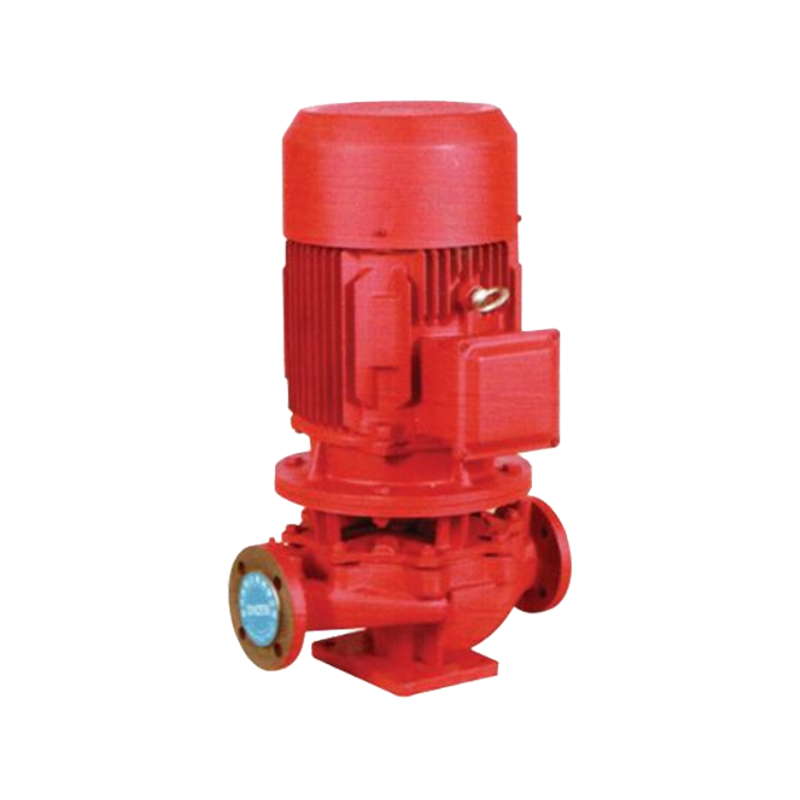
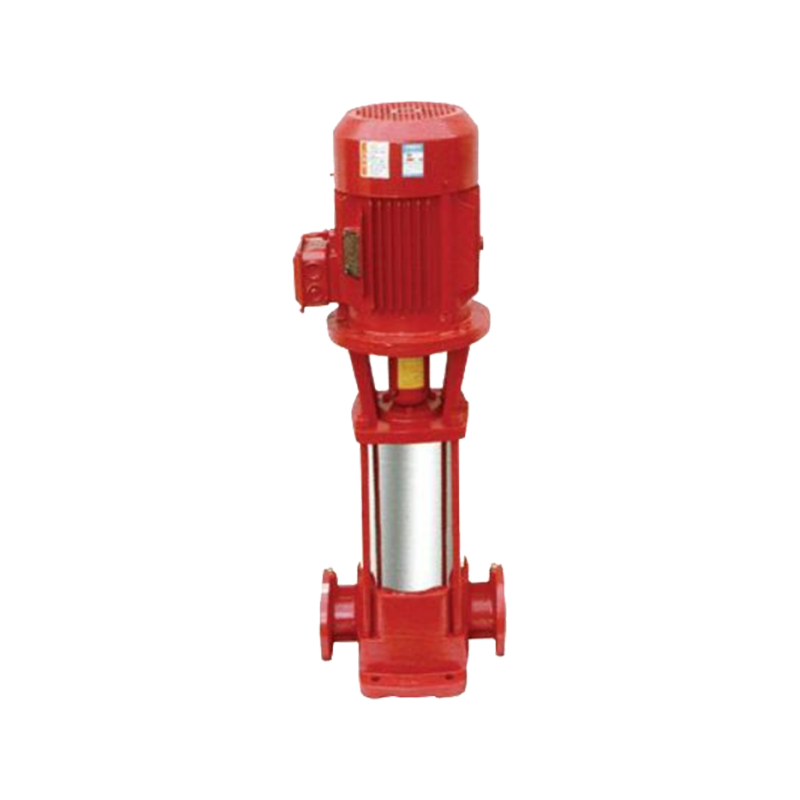
Full range of electric pumps: vertical multistage pumps, horizontal centrifugal pumps, submersible sewage pumps, and high-pressure fire pumps, covering flow rates of 2-5000 m³/h and head of 5-300 meters.
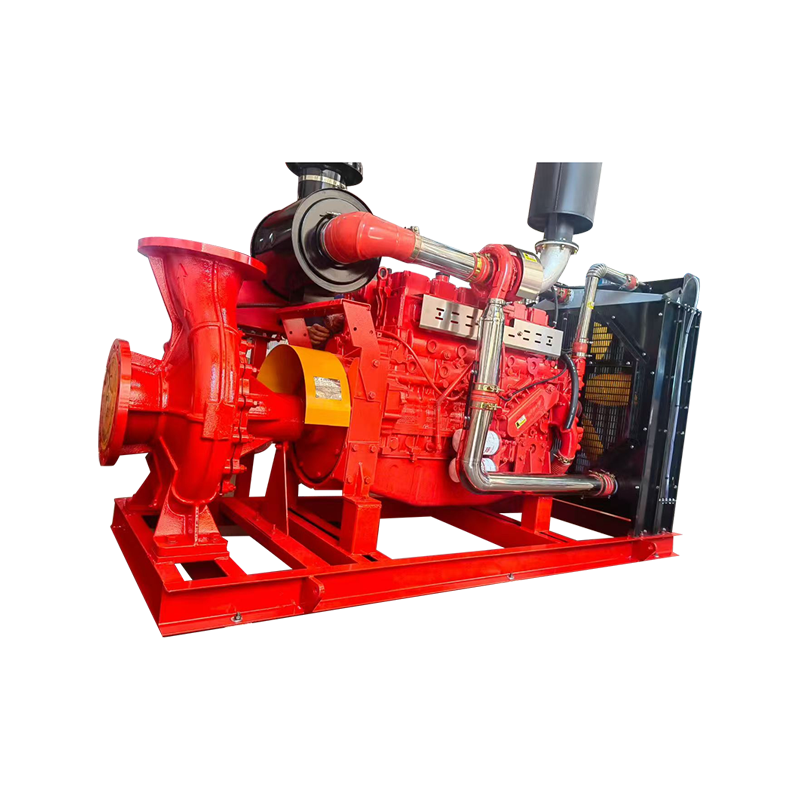
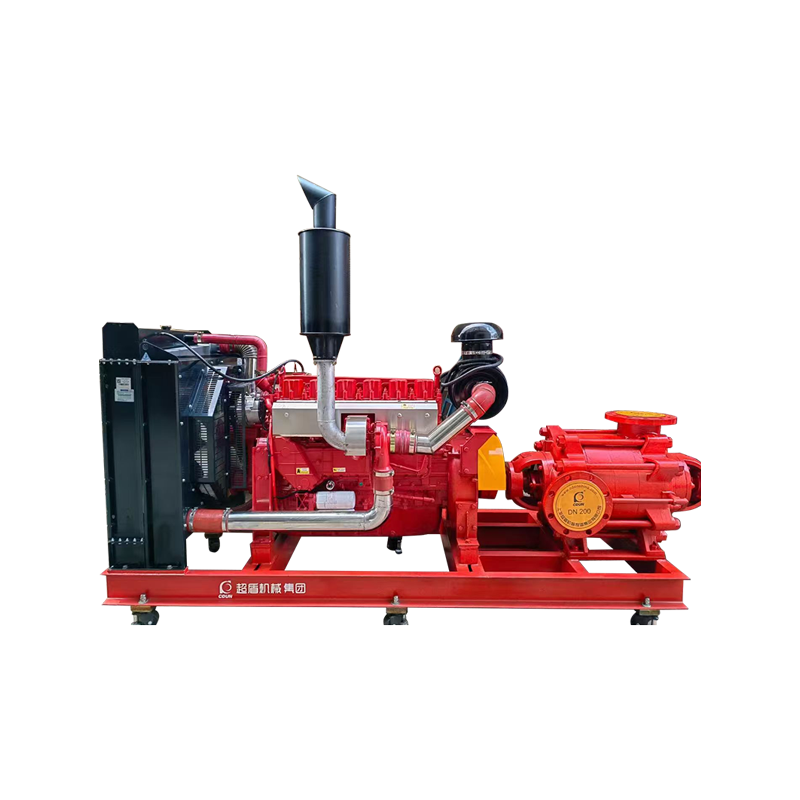
Diesel pump set: Integrated skid-mounted design, equipped with an industrial-grade diesel engine, compliant with NFPA 20 standards, automatic start, and remote monitoring.
Intelligent control: frequency converter cabinet, PLC control, cloud platform monitoring to achieve unattended operation.
Full lifecycle service: operating condition analysis, selection calculation, installation and commissioning, spare parts supply, operation and maintenance training.
Conclusion: Only by understanding the overall situation can one make wise decisions.
The choice between industrial electric pumps and diesel pumps essentially involves a comprehensive balance of energy availability, investment budget, operating time, and environmental requirements. In areas with grid coverage, electric pumps, with their extremely low operating costs and eco-friendly advantages, have become the preferred choice for most industrial projects. However, in remote areas without electricity or as emergency backup scenarios, diesel pumps remain irreplaceable. Before making a decision, it is recommended that you consult with professional manufacturers using the comparative framework outlined in this article to obtain a customized total cost of ownership analysis report, enabling you to select the most economical and reliable power solution for your project.
Related products
Copyright © JINGSHUI PUMP (SHANGHAI) CO., LTD. All Rights Reserved.
Custom Water Supply/Drainage, Water Treatment, Fire Pump Systems Manufacturers
