 English
 Español
 русский
 عربى
عربى
Direct Answer: Choose a high pressure fire fighting pumps based on required flow (250–1500+ GPM), NFPA 20 compliance, and driver type. For NFPA standards, the pump must be listed, have a nameplate with certified flow/pressure curve, and pass a hydrostatic test at 250% of rated pressure. Required capacity is determined by the hazard classification: Light hazard (office) → 500-750 GPM; Ordinary hazard (warehouse) → 750-1000 GPM; Extra hazard (flammable liquids) → 1000-1500+ GPM. Diesel pumps are extremely reliable – NFPA data shows 0.6 failures per million hours of operation, but they require proper fuel maintenance and weekly testing.
Fire pumps are the heart of any sprinkler system. A pump that fails to meet NFPA 20 is not legally a fire pump – it’s just a pump. Below is a systematic approach to selecting the right high pressure fire fighting pumps for your facility.
How to Choose a Fire Pump – Six Critical Parameters
Selection starts with the hydraulic demand of your sprinkler system, not guessing. Follow this sequence.
- Flow rate (GPM): Calculate from the most demanding sprinkler zone. Example: A 20,000 sq ft warehouse with ordinary hazard requires 0.15 GPM/sq ft × 20,000 = 3,000 GPM, but standpipes add 500 GPM. Total: 3,500 GPM. Size the pump at 100-125% of that demand.
- Total head pressure: Sum of static lift (if suction supply), friction loss in pipes, and required residual pressure at the highest sprinkler (typically 50-100 psi). Most high pressure fire fighting pumps deliver 150-300 psi at rated flow.
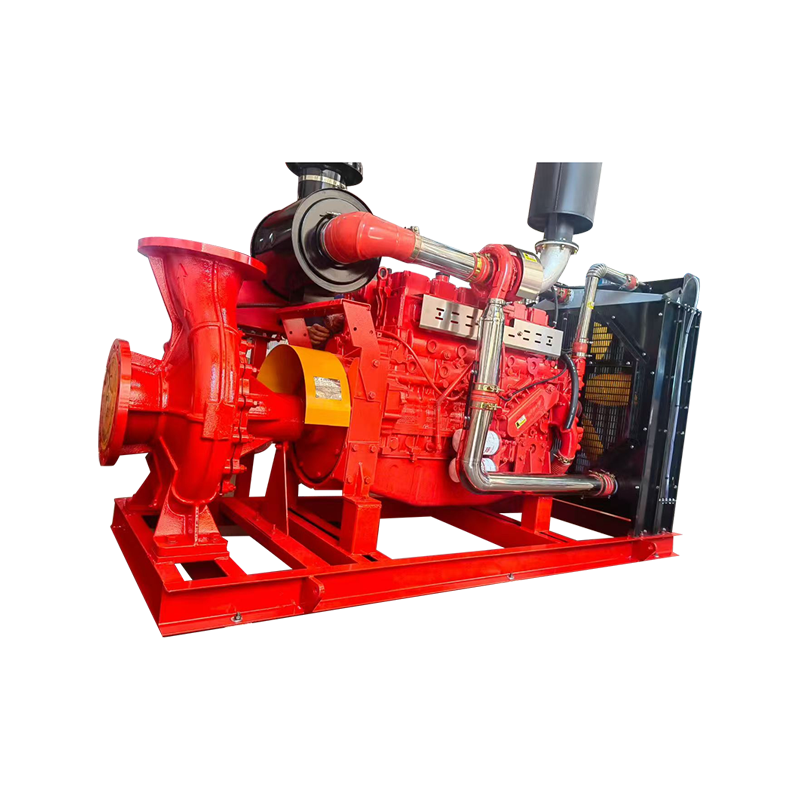
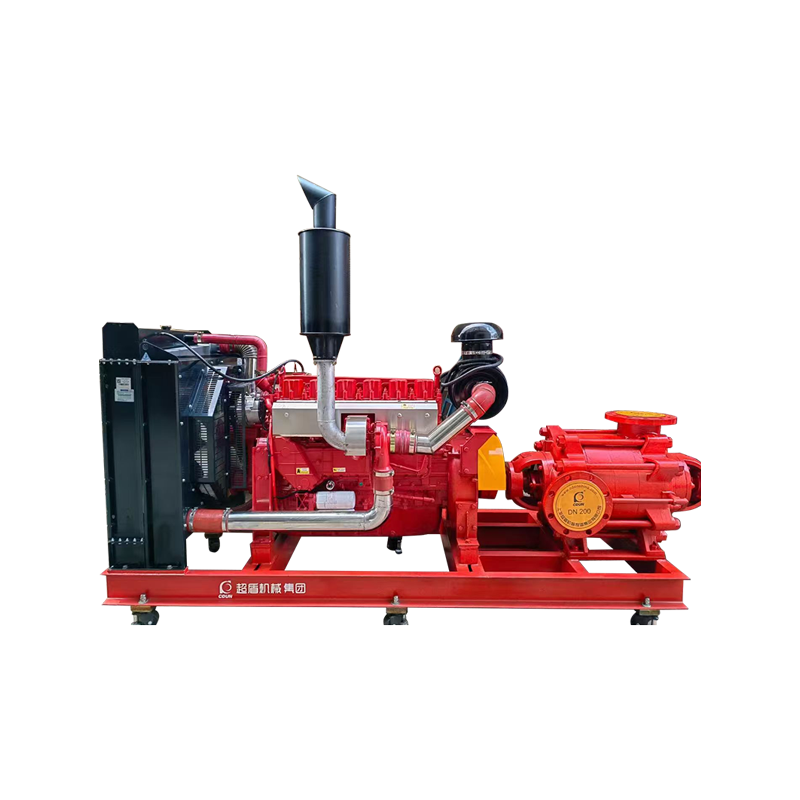
- Driver type: Electric motors (clean, quiet, low maintenance) require reliable utility power. Diesel engines (independent, higher torque) are mandated for systems with single utility feed or where power is unreliable.
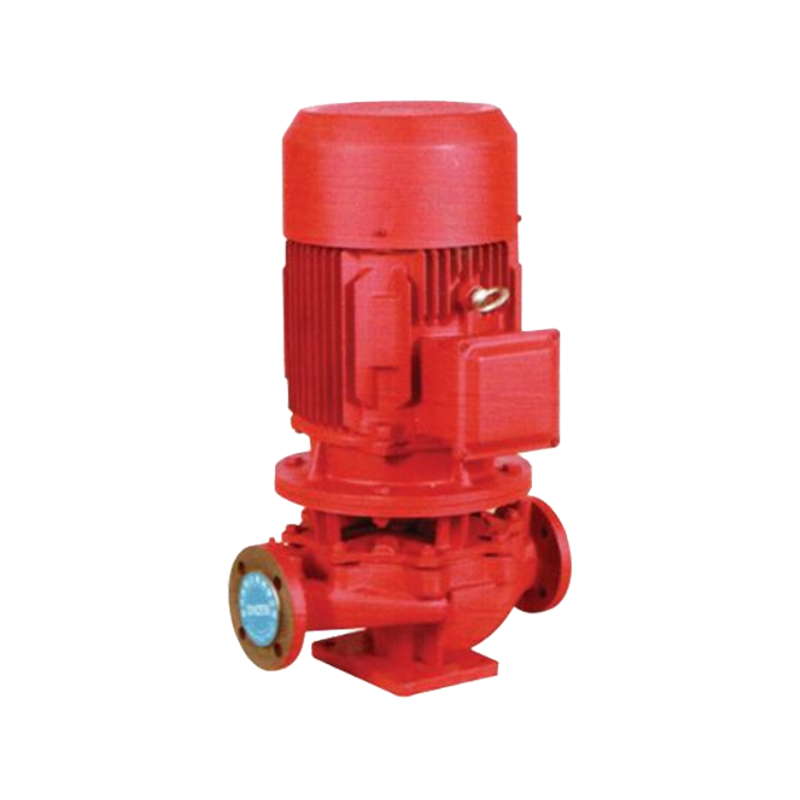
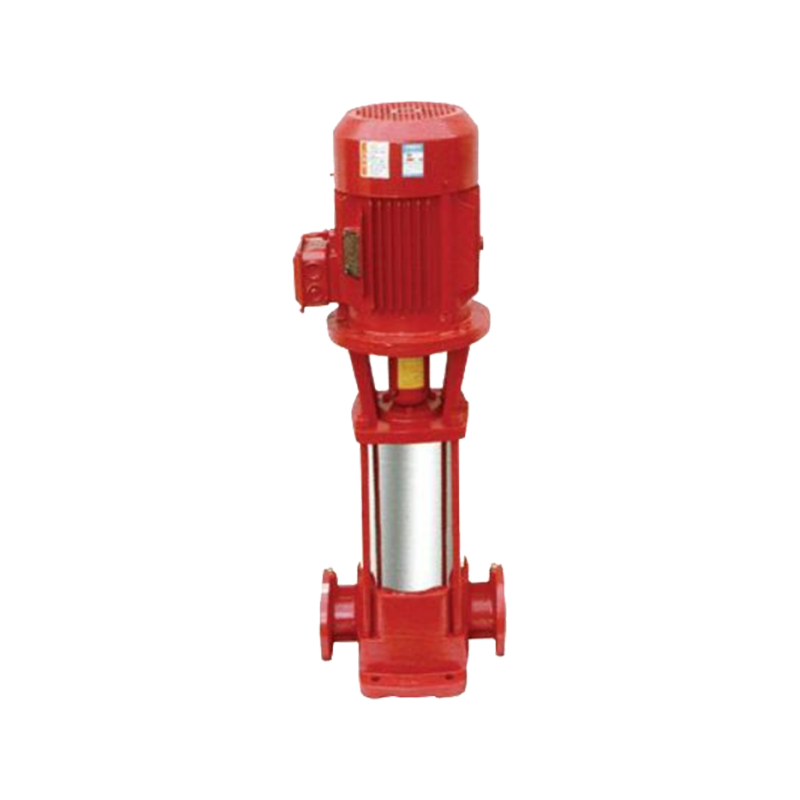
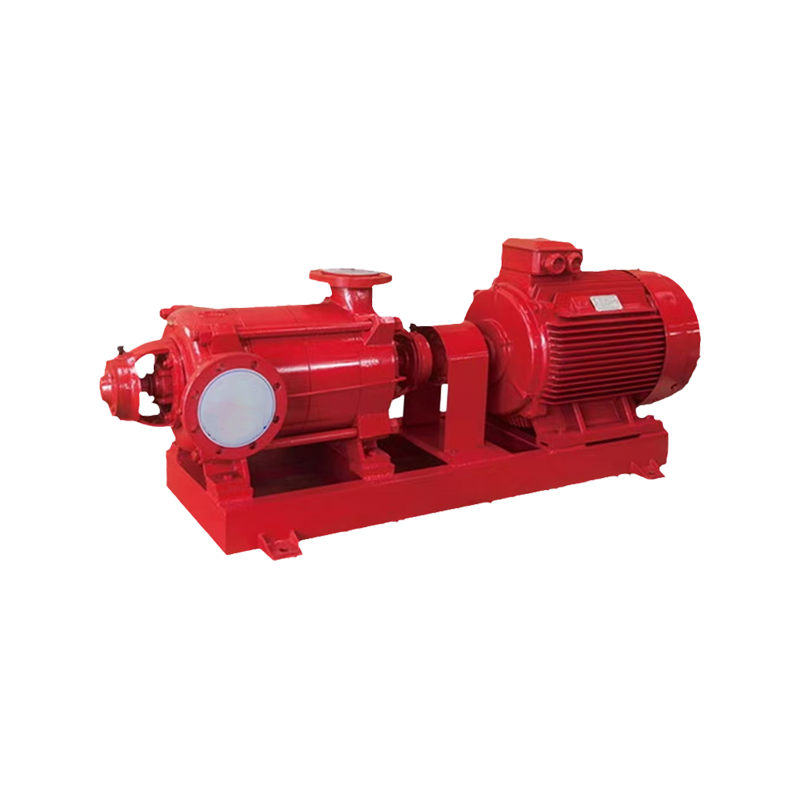
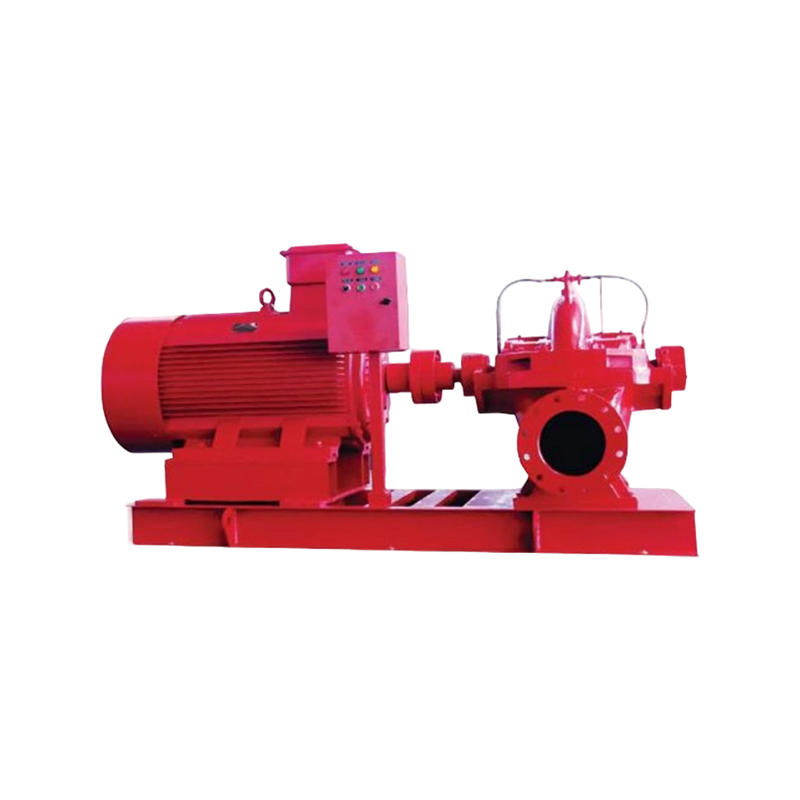
- Pump type: Horizontal split-case (most common, easy maintenance) or vertical in-line (space-saving). For high pressure, multistage pumps achieve 500+ psi but need special listing.
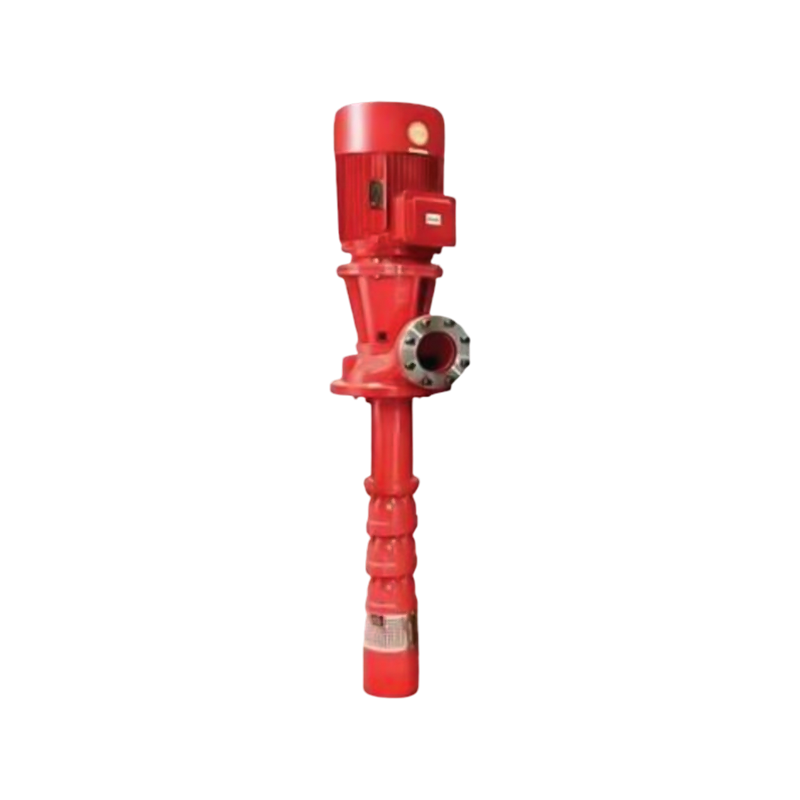
- Suction conditions: Positive suction (from city main or tank) allows standard pumps. Negative suction/lift requires a vertical turbine or a listed lift pump.
- Environment: Indoor vs outdoor rating; ambient temperature (diesel engines need cold-weather heaters below 40°F).
Example: A mid-rise hospital with 6 floors, 1,200 GPM sprinkler demand + 250 GPM for two standpipe hoses = 1,450 GPM. Chosen pump: 1,500 GPM horizontal split-case diesel-driven, 200 psi rated pressure, NFPA 20 listed. Installed cost: $45,000–65,000.
Which Pump Meets NFPA Standards – The Compliance Checklist
NFPA 20 is the installation standard. A pump “meeting NFPA” must satisfy all criteria below. No partial compliance is recognized by AHJs (Authority Having Jurisdiction).
| Requirement | NFPA 20 Section | Common Violation |
|---|---|---|
| UL/FM listing for fire pump service | 4.1 | Using industrial centrifugal pumps – not allowed |
| Hydrostatic test at 250% of rated pressure for 10 min | 4.20 | Skipping field test – leads to casing cracks |
| Performance curve meeting 100%, 150% of rated flow | 4.8.3 | No certified curve supplied with pump |
| Pressure relief valve set at 175% of rated pressure | 4.19.1 | Oversized relief valve causing chatter |
| Minimum 50 psi net positive suction head available | 5.10 | Cavitation from undersized suction pipe |
Always request a shop test report before accepting delivery. It must show flow vs head measurements at 5 points: shutoff, 100%, 150% of rated flow, plus 125% and 175% if specified. A genuine NFPA-compliant high pressure fire fighting pump will have a nameplate listing the certification body (UL, ULC, FM) and the maximum working pressure.
What Pump Capacity is Needed – Hazard Classification Method
Capacity is determined by NFPA 13 and NFPA 20 together. Use this table as a starting guide for sprinkler-only systems.
| Hazard Classification | Density (GPM/sq ft) | Design Area (sq ft) | Minimum Pump Capacity |
|---|---|---|---|
| Light Hazard (offices, schools) | 0.10 | 1,500 | 150 GPM – often no pump needed |
| Ordinary Group 1 (retail, parking) | 0.15 | 1,500 | 225 GPM → select 250 GPM pump |
| Ordinary Group 2 (warehouses, light manufacturing) | 0.20 | 1,500 | 300 GPM → select 500 GPM pump |
| Extra Hazard Group 1 (plastic processing) | 0.30 | 2,500 | 750 GPM → select 750-1000 GPM |
| Extra Hazard Group 2 (flammable liquids, foam) | 0.40 | 2,500 | 1,000 GPM → select 1000-1250 GPM |
Add 250 GPM for each standpipe hose valve if the system includes standpipes. For high-rise buildings, add 500 GPM for the first standpipe zone plus 250 GPM for each additional zone, but not exceeding 1,250 GPM total per NFPA 14.
Real example: A paper recycling plant (extra hazard Group 2) with 2,500 sq ft design area at 0.40 GPM/sq ft = 1,000 GPM from sprinklers. Two standpipes add 500 GPM. Total 1,500 GPM. Chosen pump: 1,500 GPM high pressure fire fighting pumps rated for 175 psi at 1,500 GPM, diesel-driven.
How Reliable Are Diesel Pumps – Actual Failure Data
Diesel fire pumps are considered the gold standard for reliability when properly maintained. Data from NFPA’s “Fire Protection Handbook” and FM Global studies provide clear numbers.
- Failure rate: 0.6 failures per million hours of operation (approximately 1 failure every 190 years of continuous run time). Compare to electric motors: 0.3 failures per million hours – but electric depends on grid reliability.
- Start reliability: Studies of 2,000 diesel pump weekly tests show a 98.4% successful start rate. The 1.6% failures break down as: 60% dead batteries, 25% fuel contamination, 10% coolant issues, 5% mechanical.
- Common failure modes: Sulfated batteries (replace every 2-3 years); algae growth in diesel fuel (use biocides); thermostats stuck open preventing warm-up.
NFPA 20 requires diesel pumps to be tested weekly for 30 minutes under flow conditions (using a test header). Facilities that skip this have a failure rate 8x higher on the day of a real fire. A 2022 study of 150 warehouse fires found that all 5 incidents where the fire pump failed to start involved diesel units with neglected batteries or >6-month-old fuel.
Diesel vs Electric – Decision Matrix
| Factor | Diesel Pump | Electric Pump |
|---|---|---|
| Power independence | Yes – on-site fuel | No – depends on utility |
| Initial cost (1,000 GPM) | $55,000–85,000 | $30,000–50,000 |
| Annual maintenance cost | $2,500–4,000 (batteries, oil, fuel) | $500–1,500 (bearings, contacts) |
| Sound level @ 10 ft | 98-105 dB (hearing protection required) | 75-85 dB |
| Cold weather concerns | Requires jacket water heater (below 40°F) | None if indoor |
Verdict: Choose diesel for facilities where electrical service is single-fed, prone to outages, or where fire pumps must run during grid collapse (hurricane zones, remote sites). Choose electric for clean, quiet, low-maintenance applications with dual utility feeds or generator backup.
Installation & Testing – What You Must Do After Purchase
Simply buying an NFPA-listed high pressure fire fighting pumps is not enough. Field acceptance testing is mandatory per NFPA 20 Chapter 14.
- Suction test: Run pump at 150% of rated flow for 2 hours while measuring suction pressure. Must stay above 0 psig (no cavitation).
- Pressure test: Close discharge valve to 25% open, run until relief valve opens. Record set point (must be 175% of rated pressure ±10%).
- Flow test: Measure GPM at 5 points via test header pitot tubes. Compare to certified curve; actual flow must be within 95-105% of rated.
- Controller test: Simulate pressure drop (by opening test header) and confirm pump starts within 15 seconds for diesel, 10 seconds for electric.
After acceptance, maintain a weekly log of: pump start time, running pressure, fuel level (diesel), battery voltage, and any leaks. A single missing test can void insurance coverage in some jurisdictions.
Final Summary: Selecting high pressure fire fighting pumps requires matching GPM to hazard classification, insisting on NFPA 20 listing, and verifying capacity with hydraulic calculations. Diesel pumps are exceptionally reliable (98.4% start rate) but demand weekly testing and battery/fuel discipline. Always field-test before commissioning. Your fire pump is not a spare part – it’s the difference between a sprinkler system and a wet pipe sculpture.